This post contains affiliate links. If you purchase through them, I may earn a small commission at no extra cost to you. Thank you for supporting this blog!
If you’ve ever admired the striking coat of a merle dog, you’re not alone. The merle pattern, with its marbled blend of light and dark patches, is undeniably eye-catching. However, when two merle-coated dogs are bred together, the result can lead to a genetic condition known as “double merle.”
What Does “Double Merle” Mean?
A double merle dog inherits the merle gene from both parents. According to the UC Davis Veterinary Genetics Laboratory, this double dose of the gene often produces a predominantly white coat and can lead to serious health issues. While visually unique, double merles face challenges that potential owners and breeders need to understand.
Double Merle Genetics
The merle gene is responsible for diluting certain pigments in a dog’s coat and eyes, creating the signature marbled effect. However, when a puppy receives two copies of the merle gene (one from each parent), the lack of pigment increases significantly. This can affect not only the coat color but also critical structures like the eyes and ears.
Why Is Double Merle Breeding Bad?
Double merle breeding poses significant risks to the health and well-being of the resulting puppies. These dogs are more likely to experience:
- Hearing impairments, ranging from partial to total deafness.
- Vision problems, including blindness or malformed eyes.
- Increased vulnerability to health complications, stemming from their lack of pigmentation.
Whether you’re considering adopting a merle-patterned dog or exploring breeding, understanding these risks is essential to protecting the welfare of these animals.
The Importance of Responsible Breeding Practices
Ethical breeders prioritize the health and well-being of their dogs over aesthetics. Here’s how responsible breeding practices address the risks:
- Genetic Testing: Double merle testing ensures that only dogs without the merle gene or with a single copy are bred together. Testing eliminates the risk of producing double merle puppies.
- Education and Advocacy: Reputable breeders educate potential buyers about the risks of double merle breeding and actively work to prevent it within their programs.
Choosing Responsible Breeders
If you’re considering adding a merle-coated dog to your family, research potential breeders carefully. Look for those who perform genetic testing, avoid risky pairings, and are transparent about their practices. Supporting ethical breeders helps ensure that dogs are bred responsibly and that genetic health is prioritized over appearance.
What Does a Double Merle Dog Look Like?
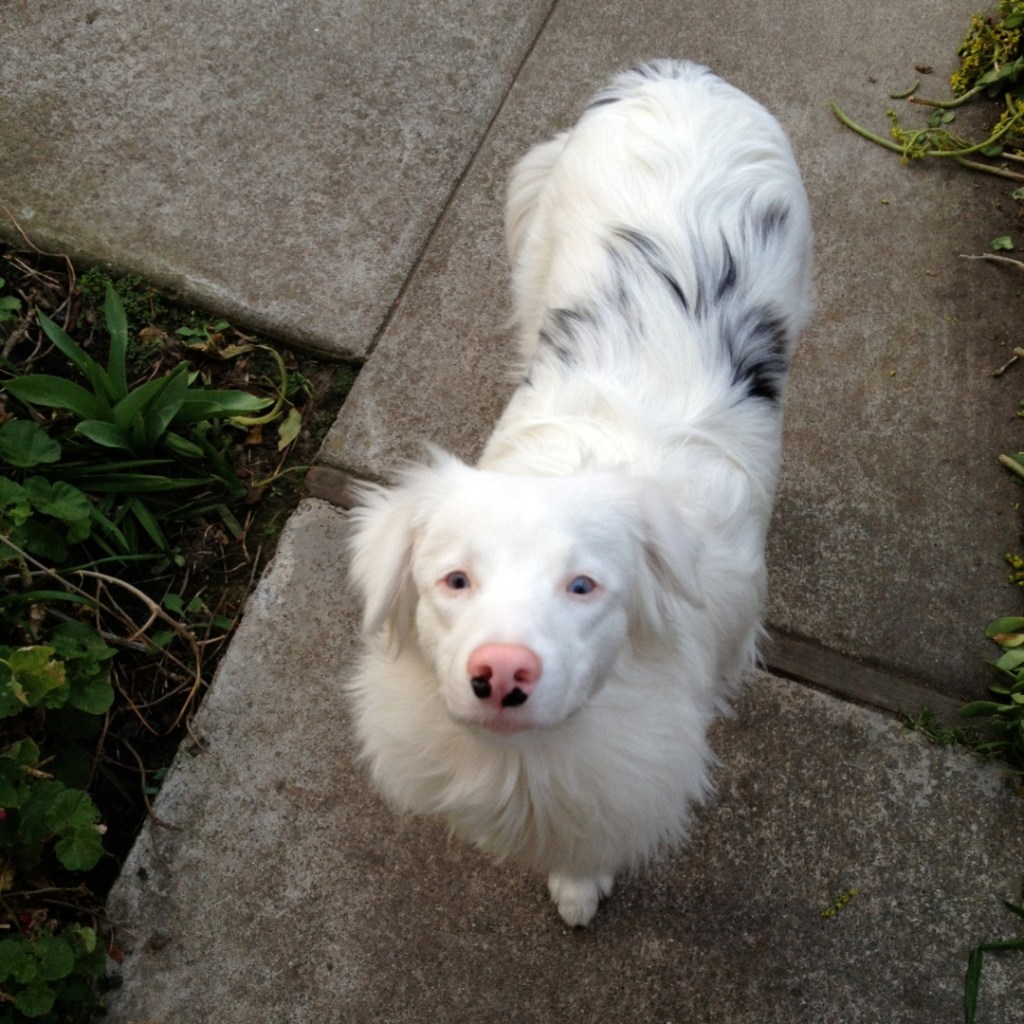
Double merle dogs are easily recognizable due to their distinct physical traits. While their appearance can be striking, it often hints at underlying health complications associated with their genetics.
Distinctive Traits of Double Merle Dogs
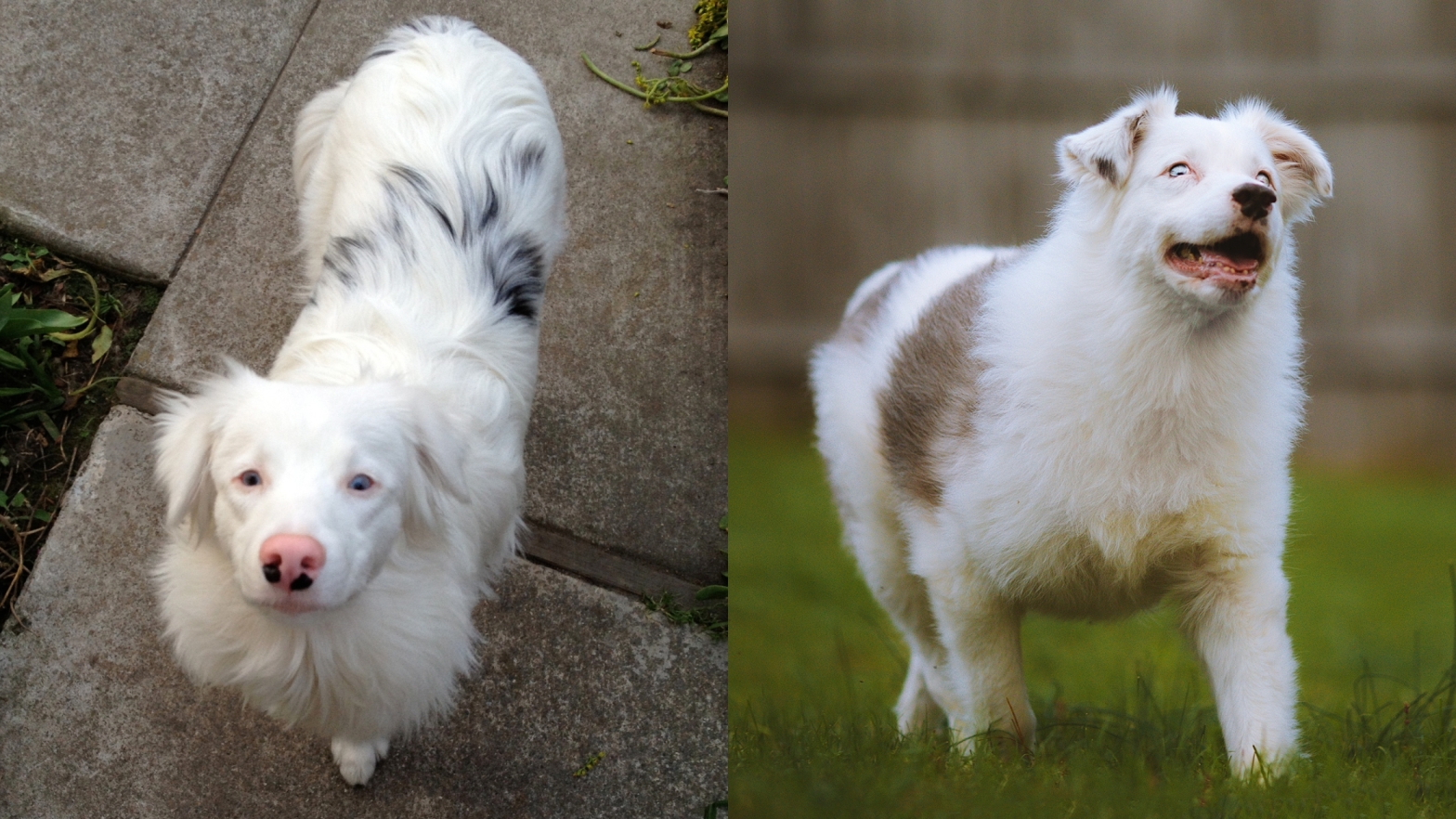
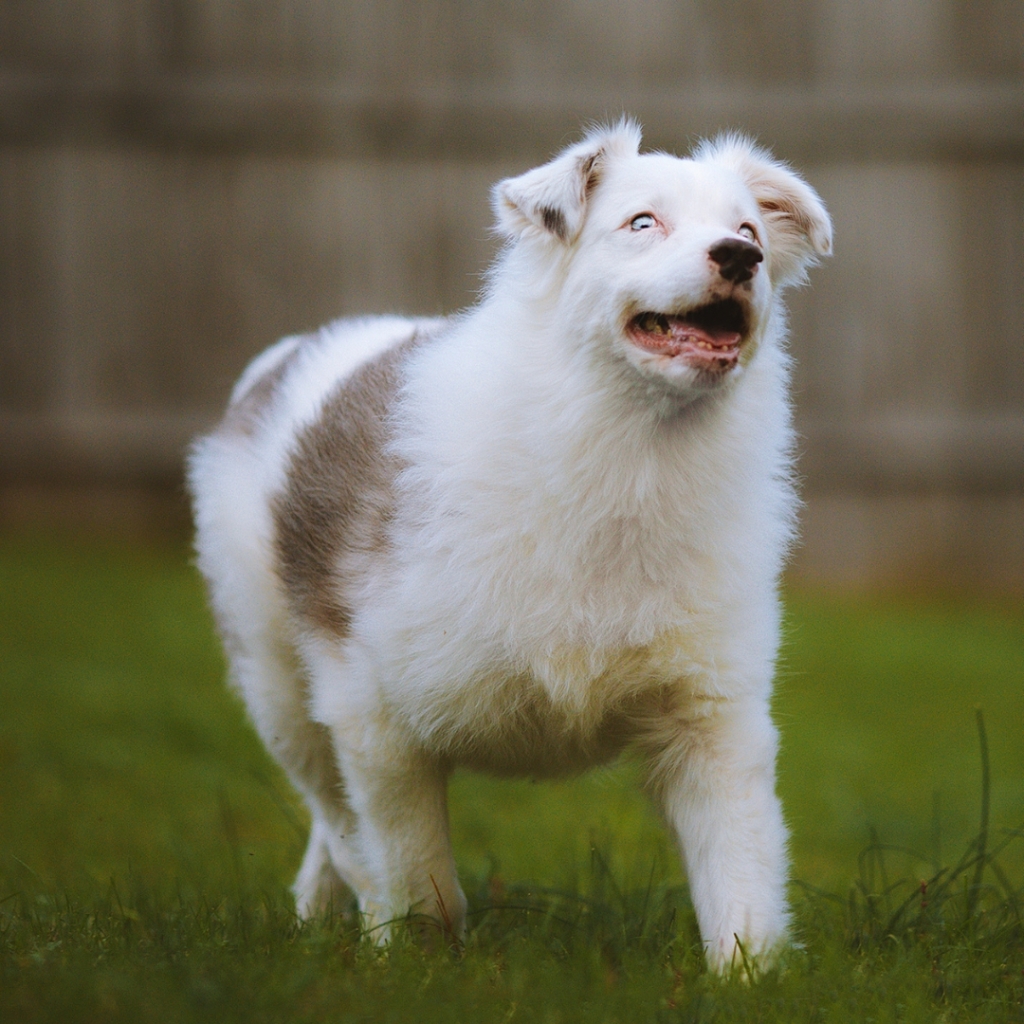
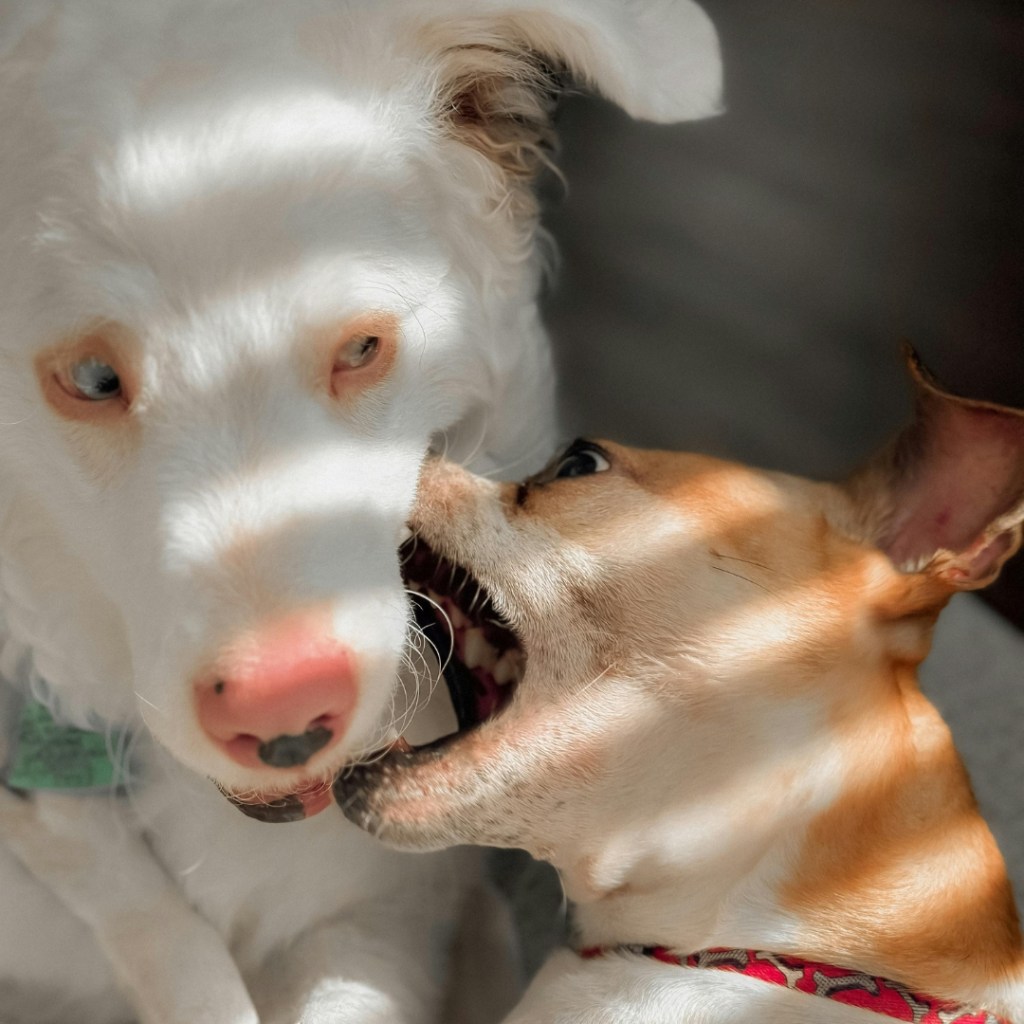
- Coat Color: Double merles are often predominantly white with patches of light or faintly marbled color, usually gray, black, or tan. The lack of pigmentation in their coat is a hallmark of their condition.
- Eye Color: Many double merle dogs have bright blue eyes or heterochromatic eyes (two different colors). Some may also have malformed or partially developed eyes, known as microphthalmia.
- Nose and Skin: Areas like the nose and ears may appear pink due to the lack of pigment.
Interestingly, my blue merle dog, Zira, is often mistaken for a double merle because of her unique appearance. Her striking coat, which features large patches of white, gray, and black, often leads people to assume she has inherited two merle genes as an Aussie-Corgi mix.
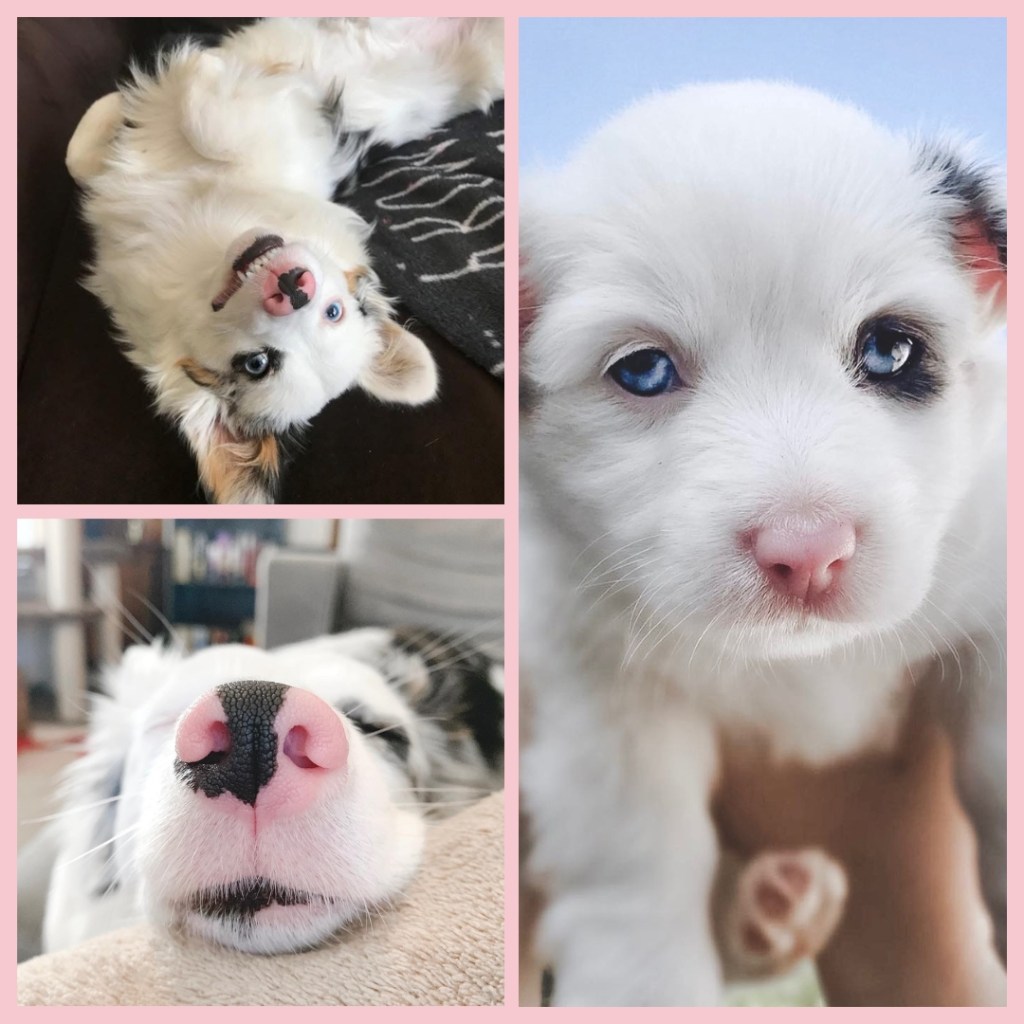
While Zira’s looks may be reminiscent of a double merle, she doesn’t carry the same genetic risks associated with double merles, and her health is strong. However, it’s a reminder of how closely these dogs can resemble one another, despite the significant differences in their genetic makeup.
Double Merle vs. Albino: Similarities and Differences
Though double merle and dogs with albinism may look similar at first glance, they are distinct in several ways:
- Genetic Cause: Albino dogs lack melanin entirely due to a rare genetic mutation affecting pigmentation across their entire body. In contrast, double merles result from two merle-coated parents and only exhibit a lack of pigment in specific areas.
- Eye and Skin Color: Albino dogs often have pale pink noses and eyes, sometimes with a reddish hue, while double merles typically have blue eyes and pink areas only where pigmentation is missing.
- Health Implications: Both may suffer from low vision or blindness, but double merles are particularly prone to hearing impairments directly linked to their merle genetics.
Understanding what a double merle dog looks like is crucial for recognizing their unique needs and challenges. While their appearance might draw attention, it’s vital to ensure their health and well-being remain a priority.
Double Merle Health Issues: Risks and Complications
Double merle dogs face significant health risks due to the genetic mutations. Here are some of the most common health problems for double merles:
- Deafness: One of the most prevalent issues, deafness occurs when the lack of pigment affects the inner ear’s development.
- Blindness: Many double merle dogs experience varying degrees of vision impairment, including partial or complete blindness, often linked to malformed eyes (microphthalmia).
- Combined Sensory Impairments: Some dogs may be both blind and deaf, creating additional challenges for their care.
- Other Complications: Double merles may also experience skin sensitivity, increased susceptibility to sunburn, and potential behavioral issues related to their sensory limitations.
Why Are Double Merle Dogs Prone to These Issues?
The health complications stem from the inheritance of two copies of the merle gene. This double dose of the gene disrupts the normal development of cells responsible for pigment production in the eyes, ears, and skin. Without adequate pigmentation in these areas, crucial structures like the inner ear and retina may not form correctly, leading to sensory deficits.
Common Misconceptions About Double Merle Dogs
One persistent myth is that double merle dogs are sterile. In reality, they are capable of reproduction but should never be bred due to the risk of perpetuating genetic issues. Responsible breeders and organizations advocate against breeding two merle-coated dogs to prevent these outcomes.
Another misconception is that all merle pairings are harmful. While breeding two merle-coated dogs may result in double merle puppies, pairing a merle dog with a non-merle dog avoids this risk. Understanding genetics is key to preventing double merle complications.
Are All Double Merle Dogs Deaf?
Not all double merle dogs are deaf, but the majority have some degree of hearing loss. The severity can range from partial deafness in one ear to complete hearing loss in both ears. The likelihood of deafness depends on the extent of pigmentation loss in the inner ear during development.
Double Merle Life Expectancy
The life expectancy of a double merle dog is generally comparable to other dogs of the same breed. However, their quality of life often depends on the severity of health issues caused by their genetics.
How Health Problems Affect Quality of Life
The sensory and physical challenges faced by double merle dogs can significantly influence their day-to-day well-being:
- Deafness and Blindness: Dogs that are both deaf and blind often rely more heavily on their other senses, like smell and touch, to navigate the world. Owners may need to modify their homes to ensure safety and provide extra training to meet their dog’s unique needs.
- Skin Sensitivity and Pigmentation Risks: Many double merles are prone to sunburn and skin damage due to their lack of pigmentation, requiring careful monitoring and sunscreen for outdoor activities.
- Behavioral Adaptations: Sensory impairments can lead to frustration or fear-based behaviors, especially if the dog is startled easily. Proper socialization and training can alleviate these issues.
Double merle dogs can live full, rewarding lives with the proper care, but their unique needs demand extra time, attention, and resources from their owners.
Caring for Double Merle Dogs
Caring for a double merle dog requires patience, adaptability, and a proactive approach to their unique needs. Whether they have hearing, vision, or other sensory impairments, these dogs can live happy, fulfilling lives with the right care and environment.
Create a Safe Environment
Double merle dogs often face challenges in navigating their surroundings. A safe, consistent, and accessible living space can significantly improve their quality of life:
- Minimize Hazards: Avoid rearranging furniture to prevent confusion for visually impaired dogs. Use baby gates or barriers to block off dangerous areas like stairs or pools.
- Use Textures and Scents: Incorporate rugs or mats to help them differentiate between rooms, and use safe scents to mark key areas like their food or bed.
- Provide Sun Protection: Due to their light-colored coats and skin, double merles are prone to sunburn. Use pet-safe sunscreen or lightweight dog clothing when they’re outside.
- We use My Dog Nose It – Moisturizing Sun Protection Balm to safeguard Zira’s nose from harmful UVA/UVB rays.
Tailored Training Techniques
Training a double merle dog might require alternative methods to accommodate hearing or vision impairments. Here are some effective strategies:
- Hand Signals: For deaf dogs, use clear, consistent hand signals to teach commands. Reward with treats or physical affection to reinforce good behavior.
- Touch Training: Develop a touch-based communication system, such as a tap on the shoulder to signal attention or a gentle touch for a specific command.
- Leash Training for Vision Loss: For blind dogs, leash training helps them stay oriented during walks and builds their confidence in navigating the world.
Enrichment and Socialization
Double merle dogs thrive when they’re mentally stimulated and socially engaged. Adjust activities to their abilities to ensure they’re safe and enjoyable:
- Interactive Toys: Puzzle feeders and toys with strong scents or textures can keep them entertained.
- Socialization: Introduce them gradually to new people and pets to build their confidence. Use consistent cues to help them understand their surroundings.
- Accessible Playtime: Games like fetch can be adapted with toys that make noise for visually impaired dogs or bright, high-contrast toys for those with partial vision.
Regular Veterinary Care
Frequent check-ups are essential to monitor their health and address any emerging issues:
- Sensory Testing: Regular hearing and vision evaluations can provide insights into their condition and guide adjustments to their care.
- Skin and Coat Care: Stay vigilant about sunburn or skin conditions and consult your vet for appropriate treatments or preventative measures.
- Preventative Health Measures: Ensure vaccinations, dental care, and parasite prevention are up-to-date to maintain overall health.
Advocate for Their Needs
Being an advocate for your double merle dog means understanding their challenges and educating others:
- Educate Friends and Family: Share tips for interacting with your dog to make them feel safe and comfortable.
- Join Support Communities: Connect with other double merle dog owners online or in local groups to exchange advice and encouragement.
By creating a nurturing environment and tailoring care to their unique needs, double merle dogs can lead joyful lives as cherished companions.
Making Informed Choices: Understanding Double Merle Risks and Responsibilities
Whether you’re considering adding a merle dog to your family or are curious about the complexities of double merle genetics, education is key. By understanding the risks and problems associated with double merle breeding, you can contribute to a future where dogs are bred ethically and responsibly.
For more information on ethical dog breeding and adoption practices, check out the resources below.
- UC Davis Veterinary Genetics Laboratory – Explore detailed information on merle coat genetics and testing services.
- Prevalence of Deafness in Dogs Heterozygous or Homozygous for the Merle Allele (Louisiana State University) – A comprehensive study examining the prevalence of deafness associated with the merle gene.
- Being Merle: The Molecular Genetic Background of the Canine Merle Mutation (PubMed Central) – A detailed study on the molecular genetics behind the merle mutation in dogs.
 Zira the Corgi

2 thoughts on “All About Double Merle Dogs: Health Issues and Genetics”
Comments are closed.